If you are considering a career in traffic management, one of the first practical questions you want answered is what the pay actually looks like. It is a fair question, and the answer is more encouraging than many people expect, particularly for workers who are just starting out and looking for a stable, in-demand entry point into the construction and civil infrastructure sector.
This guide covers what traffic controllers earn in South Australia in 2026, how pay changes with experience and qualifications, and what steps you can take to move into the higher-paying roles in the industry.
Entry Level Pay — Starting Out With Your TC1 TMI1
Workers who have completed their tc1 tmi1 course and are entering the traffic management industry for the first time typically start in a pay range that reflects both the entry-level nature of the role and the safety-critical responsibility it involves.
Under the Road Transport and Distribution Award and enterprise agreements covering South Australian traffic management workers, base rates for traffic controllers generally start in the range of $25 to $30 per hour for standard weekday hours. This is the baseline for workers who have completed their tc1 tmi1 course in adelaide and are working standard rostered shifts on Category 1 roads.
What many new entrants to the industry quickly discover is that this base rate is rarely what a full week's pay reflects. Allowances, penalty rates, and shift loadings play a significant role in what traffic controllers actually take home.
How Allowances and Penalty Rates Affect Real Earnings
Traffic management work frequently involves conditions that attract significant penalty rates and allowances under applicable awards and enterprise agreements.
- Weekend work: Saturday work typically attracts a loading of 50% above the base rate. Sunday work is generally paid at double time. Given that many infrastructure and road maintenance projects specifically schedule works on weekends to minimise disruption to weekday traffic, weekend shifts are common and the loadings on them are meaningful.
- Night shifts and after-hours work : Overnight traffic management is standard on resurfacing, asphalt, and major infrastructure projects. Night shift loadings typically add 25% to 30% on top of the base rate, and when combined with the base pay, make overnight shifts among the most financially rewarding in the industry for workers who are comfortable with the hours.
- Public Holidays : Work on public holidays attracts double time and a half in most awards, making these shifts very well compensated for workers who are available and willing to take them.
- Travel Allowances: Many traffic management companies pay travel allowances for workers required to travel beyond a specified distance from their home base, which is relevant in Adelaide where projects can be spread across metropolitan and regional South Australia.
When you factor in regular weekend shifts, occasional night work, and applicable allowances, traffic controllers working consistent hours in Adelaide routinely earn significantly more than the base hourly rate suggests. Full-time traffic controllers with regular weekend availability commonly earn between $65,000 and $85,000 per year in South Australia.
How Qualifications Push Earnings Higher
The most reliable way to increase your earning potential in traffic management is to add qualifications that open access to more responsible, more complex, and better-compensated roles.
Workers who complete only a traffic controller course in Adelaide at the TC1 TMI1 level are qualified to work as controllers on Category 1 roads. This is the entry point. Workers who go on to complete TC2 TMI2 are qualified to implement traffic management on Category 2 high-volume roads and to take on supervisory responsibilities. This step up in qualification consistently translates into a meaningful step up in pay.
Traffic management supervisors and implementers working on major arterial roads, highway maintenance projects, and complex urban infrastructure works earn pay rates that reflect the additional responsibility they carry. Experienced TC2 TMI2 certified supervisors in South Australia typically earn in the range of $85,000 to $110,000 per year or more, depending on the employer, the project type, and the frequency of penalty rate shifts.
For workers who progress further into traffic management planning, consulting, or project management roles, earning potential continues to increase, with experienced traffic management coordinators and consultants earning above $110,000 in some employer and project contexts.
The Demand Picture in South Australia
Earnings are not just about the pay rates in awards and agreements. They are also about how consistently you can get work. On this measure, traffic management in South Australia is in a genuinely strong position in 2026.
Major infrastructure investment, ongoing road maintenance programmes, residential and commercial construction activity, and large-scale civil works across metropolitan and regional South Australia all generate sustained demand for qualified traffic controllers and traffic management implementers. Workers who hold current certifications and are available for the shifts that projects require rarely struggle to find work.
This combination of consistent demand, penalty rate opportunities, and a clear qualification pathway to higher-paying roles makes traffic management one of the more financially compelling entry-level career options available in South Australia's construction sector.
How to Get Started
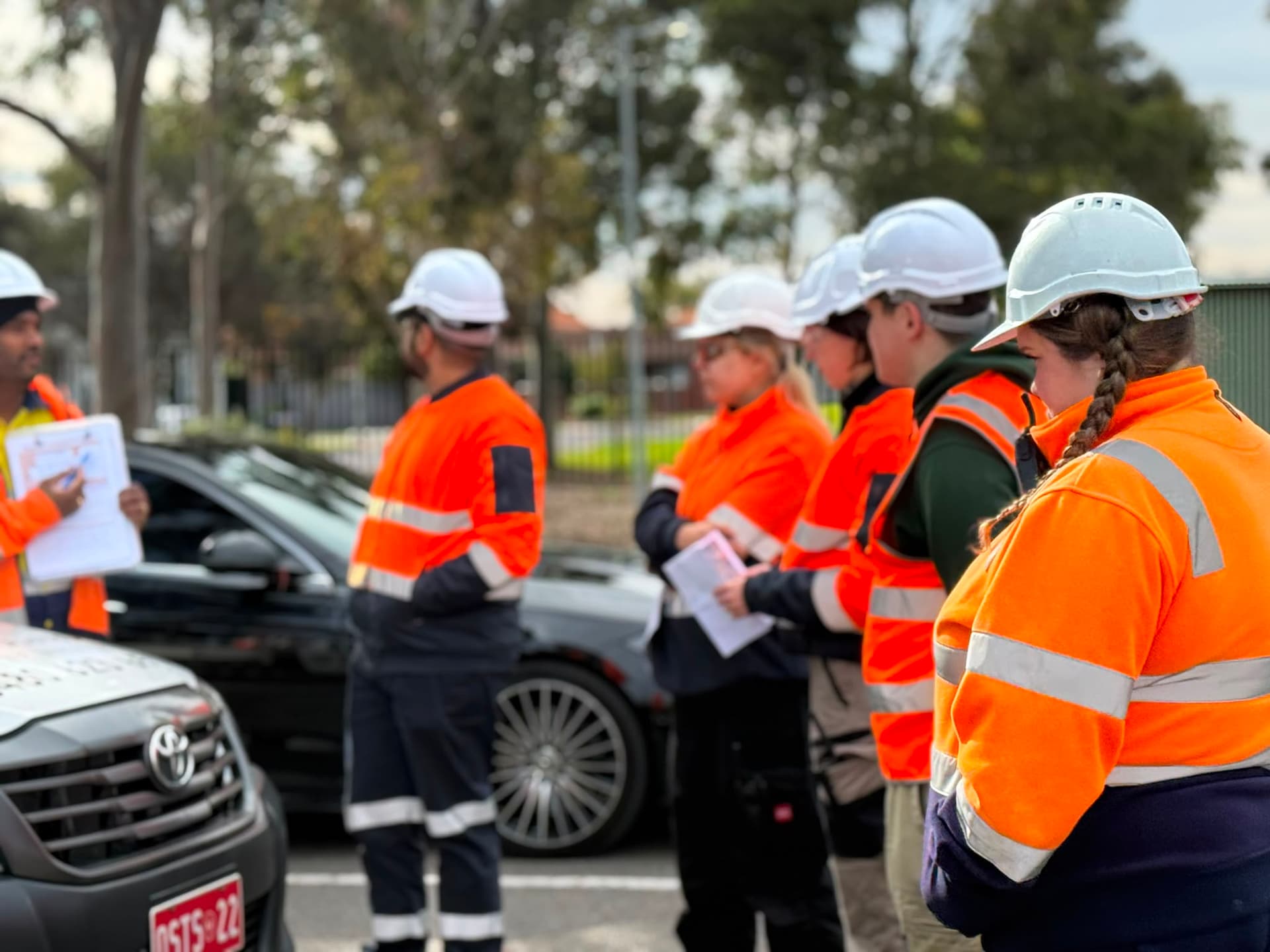
The starting point for a career in South Australian traffic management is completing your traffic control course in adelaide at the TC1 TMI1 level. This nationally recognised qualification, delivered over three days of face-to-face training followed by a post-classroom work placement component, is the certification that opens the door to entry-level traffic controller work across South Australia and the rest of the country.
One Stop Training Solutions delivers TC1 TMI1 training from the Royal Park facility in Adelaide, with regular course dates available throughout the year. Contact the team directly to discuss upcoming dates and enrolment.