Cardiopulmonary resuscitation (CPR) is an essential skill that can help save someone's life during a cardiac emergency. Whether you need CPR certification for work, want to improve your emergency response skills, or need to renew your qualification, understanding the available training options is important.
Many people in Adelaide wonder whether they can complete CPR training entirely online or if practical, face-to-face training is compulsory. The answer depends on the type of course, the qualification you need, and the requirements of your workplace.
In most cases, online learning can help you prepare for CPR training, but an accredited CPR course requires practical assessment to demonstrate that you can perform the necessary skills correctly.
Can You Complete CPR Training Online in Adelaide?
Online learning is a convenient way to understand CPR procedures, emergency response steps, and basic first aid principles. Some training providers offer online theory modules that explain how to recognise cardiac arrest, contact emergency services, perform chest compressions, and use an automated external defibrillator (AED).
However, completing an online module alone does not necessarily mean you have achieved a nationally recognised CPR qualification.
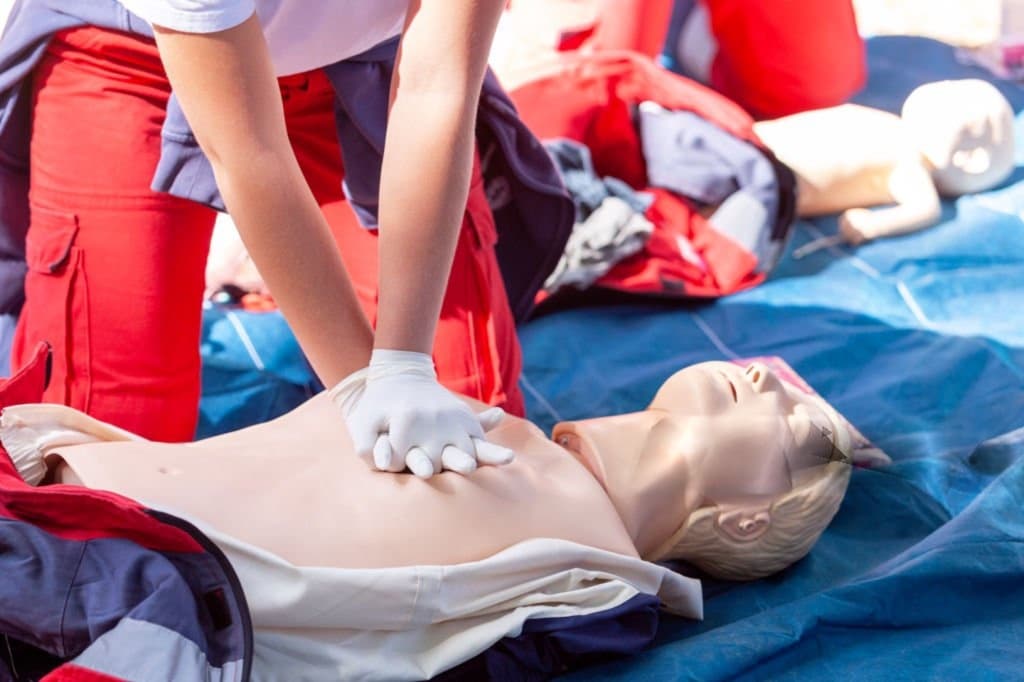
For the nationally recognised unit HLTAID009, Provide cardiopulmonary resuscitation, learners must demonstrate the required practical skills. This includes performing CPR on a manikin and demonstrating appropriate techniques during assessment.
If you are looking for a CPR course in Adelaide, check whether the provider offers online theory followed by an in-person practical session. This blended learning format allows you to complete some coursework at your own pace while still meeting the practical assessment requirements.
Why Is Face-to-Face CPR Assessment Important?
CPR is a practical emergency response skill. Knowing the correct steps is important, but being able to perform them effectively is equally essential.
During practical training, learners practise chest compressions on a manikin and demonstrate the correct technique. Trainers can assess performance and provide feedback to help learners improve.
Practical assessment generally covers important skills such as:
Recognising an emergency and checking for danger.
Checking a person's responsiveness and breathing.
Calling for emergency assistance.
Performing CPR with appropriate compression technique.
Following current CPR procedures.
Using an AED safely and correctly.
These practical activities help learners build confidence and demonstrate that they can apply their knowledge in an emergency.
What Does a CPR Course in Adelaide Usually Include?
A CPR course typically combines theoretical knowledge with practical training and assessment. The exact structure and duration depend on the training provider and the course requirements.
Before attending a practical session, learners may complete online modules covering emergency response procedures, CPR techniques, and the steps involved in using an AED.
The practical component then allows learners to demonstrate their skills under the guidance of a qualified trainer.
When choosing a course, confirm that it leads to the qualification required by your employer or industry. If you need CPR training for a specific workplace, check whether your organisation requires HLTAID009 or a different first aid qualification that includes CPR.
How Long Does CPR Training Take?
The time required to complete CPR training varies between providers and depends on whether online pre-learning is available.
With blended learning, you may complete the theory component before attending a scheduled practical session. This can make the overall process more flexible, particularly if you have work or family commitments.
You should also allow enough time to complete the practical assessment successfully. Finishing an online module does not automatically mean that all course requirements have been met.
Before booking, ask the training provider about the total learning time, practical session duration, assessment requirements, and certificate issuing process.
Who Needs CPR Training in Adelaide?
CPR training is valuable for people working in industries where emergency response knowledge is important. It can also benefit individuals who want to feel more prepared to assist family members, colleagues, or members of the public.
People who may need or benefit from CPR training include:
Healthcare and support workers.
Teachers, childcare workers, and education staff.
Fitness instructors and sports coaches.
Construction and industrial workers.
Hospitality and customer service employees.
Workplace first aiders.
Members of the general public.
Some employers require workers to hold a current CPR qualification as part of their workplace safety procedures. Requirements vary by role and industry, so it is best to confirm the specific qualification needed before enrolling.
CPR Training for Traffic Control Workers
CPR knowledge can also be useful for people working in traffic management and construction environments, where unexpected incidents may occur.
Workers completing traffic control training in Adelaide may need to meet additional workplace safety and qualification requirements depending on their role. CPR or first aid training may be relevant to their responsibilities, but it does not replace the specific training required to work as a traffic controller.
If you work in traffic management, check with your employer or training provider to determine which first aid or CPR units are required for your position. Completing the correct course helps ensure that your qualifications match your workplace responsibilities.
How to Choose the Right CPR Training Provider
Before booking CPR training, take a few minutes to check the provider's credentials and course details. This can help you avoid enrolling in a course that does not meet your needs.
Consider the following factors:
1. Check national recognition: Confirm that the course provides the nationally recognised unit you require, such as HLTAID009.
2. Understand the training format: Ask whether the course includes online theory, face-to-face practical training, and hands-on assessment.
3. Review practical requirements: Confirm what skills you must demonstrate and whether any additional requirements apply.
4. Check certificate requirements: Ask when your certificate will be issued after successful completion and how long the qualification remains current for your workplace.
5. Choose a convenient location: Look for a training venue in Adelaide that fits your schedule and is accessible from your home or workplace.
Is Online or In-Person CPR Training Better?
Online theory offers flexibility and allows learners to study at their own pace. In-person practical training provides an opportunity to practise CPR techniques, receive trainer feedback, and demonstrate the required skills.
For many learners, a blended course offers a practical balance between convenience and hands-on learning.
The most important consideration is not simply whether the course is online or face-to-face. It is whether the training meets the relevant qualification requirements and includes the practical assessment needed to demonstrate competency.
Book Your CPR Training in Adelaide
You can complete part of your CPR learning online, but you should not assume that an online-only course will meet the requirements for a nationally recognised CPR qualification.
Before enrolling, check the course details, practical assessment arrangements, and qualification requirements for your workplace. Choosing the right training format can help you gain the knowledge and practical skills needed to respond confidently during a cardiac emergency.
Whether you need CPR training for employment, workplace compliance, or personal development, selecting a suitable course is an important step towards being prepared when every second counts.