
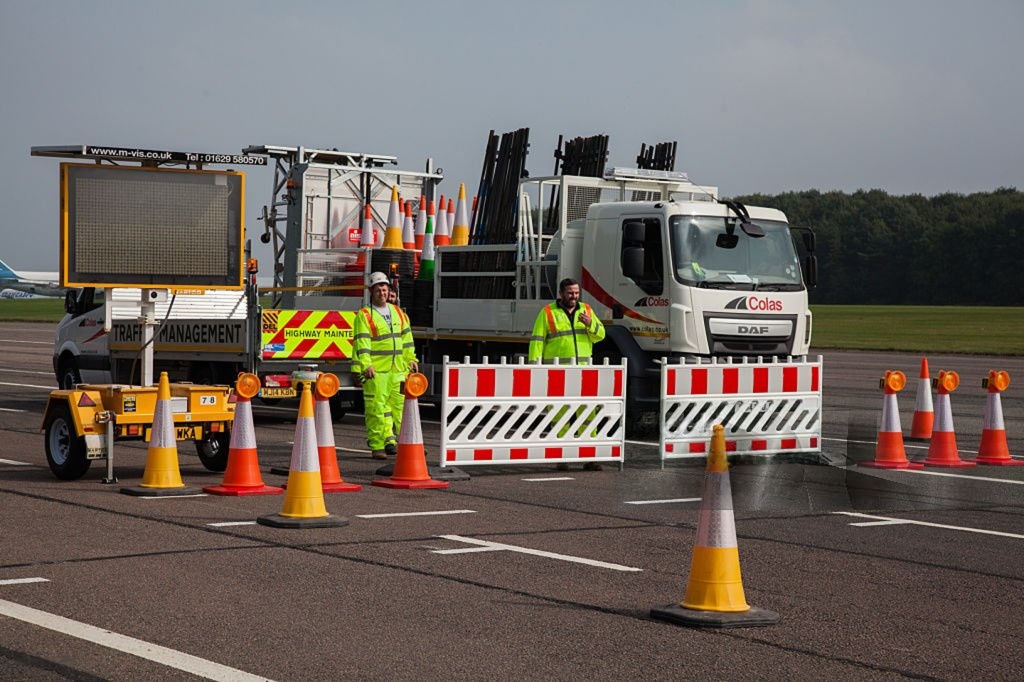
If you’re looking to start or grow a career in traffic control, you’ve probably come across two certifications that sound similar but actually serve very different purposes: TC1 TMI1 and TC2 TMI2. Understanding the difference between them is essential before you enrol, because choosing the wrong starting point can cost you time, money, and unnecessary confusion.
This guide breaks down exactly what each certification covers, how they differ, and which one is right for where you are in your career.
Understanding the Basics
Before comparing the two, it helps to understand what these acronyms actually stand for. TC stands for Traffic Control, and TMI stands for Traffic Management Implementer. The numbers — 1 and 2 — indicate the level of responsibility and complexity each certification covers.
These courses fall under nationally recognised training codes. TC1 TMI1 sits under the unit RIISS00059, while TC2 TMI2 sits under RIISS00061. Both are delivered through registered training organisations and are recognised across Australia, but they are designed for very different stages of a traffic control career.
If you’re researching RIISS00059 RIISS00061 training Adelaide, it’s worth knowing upfront that these aren’t interchangeable — one is the entry point, and the other builds directly on top of it.
What Does TC1 TMI1 Cover?
The TC1 TMI1 course in Adelaide is the foundational certification required to work as a traffic controller. It is designed for people entering the industry for the first time and covers the essential skills needed to manage basic traffic control points safely.
Topics covered typically include:
- Understanding traffic management legislation and basic road rules
- Correct use of stop and slow bats
- Setting up and operating a single traffic control point
- Communicating effectively with other traffic controllers and site supervisors
- Recognising and responding to hazards in straightforward traffic environments
This certification qualifies you to work as a traffic controller on sites with relatively simple, low-complexity traffic arrangements — think single-lane closures, basic detours, or straightforward roadwork zones.
What Does TC2 TMI2 Cover?
TC2 TMI2 builds directly on the knowledge gained in TC1 TMI1, but takes things a significant step further. This certification is designed for individuals who want to take on more responsibility — specifically, designing and implementing more complex traffic management plans, rather than simply following them.
The course covers:
- Interpreting and implementing detailed traffic management plans
- Managing multiple traffic control points simultaneously
- Coordinating larger or more complex work zones
- Adjusting traffic arrangements in response to changing site conditions
- Supervising and directing other traffic controllers on site
- Handling more technically demanding scenarios, such as multi-lane closures or complex intersections
In short, TC2 TMI2 moves you from simply controlling traffic to actively managing how an entire site’s traffic flow is structured and implemented.
The Core Differences at a Glance
| Aspect | TC1 TMI1 | TC2 TMI2 |
|---|---|---|
| Purpose | Entry-level traffic control | Advanced implementation and supervision |
| Prerequisite | None | Generally requires TC1 TMI1 first |
| Scope | Single, basic control points | Multiple or complex control points |
| Responsibility | Following instructions and plans | Implementing and adjusting plans |
| Typical site complexity | Simple roadworks, basic detours | Multi-lane closures, complex intersections |
| Career stage | Starting out | Progressing toward leadership roles |
Which One Do You Actually Need?
The answer largely depends on where you currently are in your career and what kind of work you’re aiming to do.
You should start with TC1 TMI1 if:
- You are new to the traffic control industry
- You have no prior certification in this field
- You want to begin working on straightforward roadwork sites
- You are testing whether this career path is right for you before committing further
You should pursue TC2 TMI2 if:
- You already hold TC1 TMI1 and have gained some practical experience
- You want to take on supervisory responsibilities
- You’re aiming to work on larger, more complex projects
- Employers or projects you’re targeting specifically require this higher-level certification
It’s worth noting that almost everyone in this industry starts with TC1 TMI1. It’s not just a stepping stone — it builds the fundamental knowledge and practical experience that makes the more advanced TC2 TMI2 content genuinely useful, rather than overwhelming.
Why the Sequence Matters
Some people are tempted to skip straight to the more advanced certification, assuming it will save time. In practice, this rarely works out well. Traffic control training in Adelaide is structured the way it is for good reason — TC2 TMI2 assumes a working understanding of the basics covered in TC1 TMI1. Without that foundation, the more advanced content can feel disconnected from real-world application, and the practical components become significantly harder to grasp.
Most registered training organisations will require you to hold TC1 TMI1, or at least demonstrate equivalent practical experience, before enrolling in TC2 TMI2. This isn’t a bureaucratic hurdle — it’s there to make sure you’re genuinely ready to take on the added responsibility that comes with the higher-level certification.
What This Means for Your Career
Holding TC1 TMI1 opens the door to entry-level traffic control work, which is a great starting point for anyone entering the construction, civil works, or events industry. It gets you on-site, earning, and building practical experience.
Progressing to TC2 TMI2 signals to employers that you’re ready for more responsibility. It typically opens up better-paying roles, supervisory positions, and opportunities to work on larger, more complex projects. Many workers treat TC1 TMI1 as their entry point and TC2 TMI2 as the natural next step once they’ve built confidence and experience on the job.
How Long Does Each Course Take?
Both courses are generally completed in a short, focused timeframe — often just one to two days, depending on the training provider. The practical components are hands-on, involving real equipment and realistic scenarios, so you leave with genuine, applicable skills rather than just theoretical knowledge.
Certification validity is also worth keeping in mind. Both qualifications typically require periodic renewal to ensure your knowledge stays current with updated regulations and best practices, so it’s worth checking renewal timeframes with your training provider when you enrol.
Final Thoughts
TC1 TMI1 and TC2 TMI2 aren’t competing options — they’re sequential steps on the same career path. TC1 TMI1 gives you the essential foundation to start working safely as a traffic controller, while TC2 TMI2 builds on that foundation to prepare you for more advanced, higher-responsibility roles.
If you’re just starting out, TC1 TMI1 is the right place to begin. Once you’ve gained some practical experience and you’re ready to take the next step, TC2 TMI2 will give you the skills and credibility to move into more demanding, better-rewarded roles within the traffic management industry. Either way, investing in proper, recognised training is one of the smartest moves you can make for a stable, in-demand career on Adelaide’s roads and worksites.