
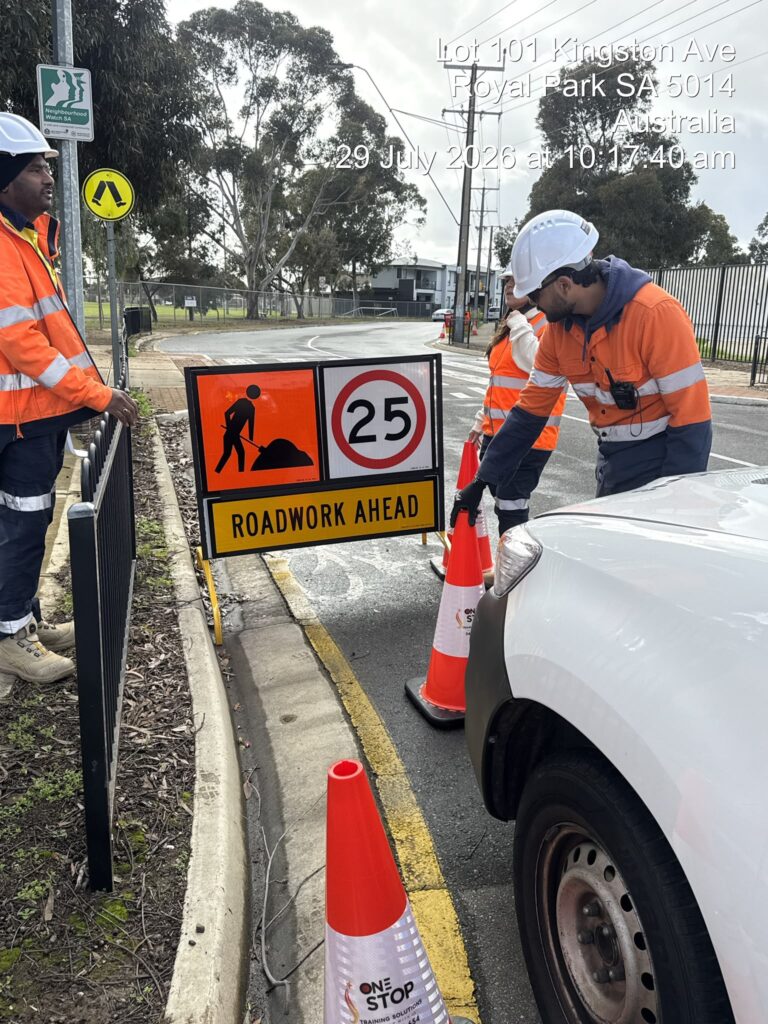
If you are new to the construction industry or considering a role on a building site, one of the first questions you will likely ask is whether you actually need a White Card before you start. It is a fair question, and the short answer is almost always yes — but understanding exactly why, what the consequences of not having one are, and how quickly you can get certified is worth knowing before you set foot on any site.
What Is a White Card?
A White Card is a nationally recognised certification that confirms you have completed general construction induction training. It is formally linked to the unit of competency CPCWHS1001 — Prepare to Work Safely in the Construction Industry — and is required before anyone can work on a construction site anywhere in Australia, including South Australia.
The card gets its name from its physical appearance — a white plastic card similar in size to a driver’s licence, issued after successful completion of approved training. It is sometimes referred to as a construction induction card or a General Construction Induction (GCI) card, but all of these terms refer to the same qualification.
Is a White Card Legally Required in South Australia?
Yes — without exception. Under South Australia’s Work Health and Safety regulations, no person is permitted to carry out construction work on a construction site unless they hold a current White Card. This requirement applies to:
- Full-time and part-time employees
- Casual and labour hire workers
- Subcontractors and sole traders
- Apprentices and trainees
- Volunteers working on construction projects
It does not matter how experienced you are, how long you have been in the industry, or what other qualifications you hold. If you do not have a White Card, you cannot legally work on a construction site in South Australia.
What Counts as a Construction Site?
This is an important detail, because “construction site” covers more ground than many people initially assume. Under Australian WHS legislation, a construction site is broadly defined as any workplace where construction work is being carried out — and construction work includes:
- Building, renovating, or demolishing structures
- Civil engineering works such as roads, bridges, and drainage
- Installing, removing, or altering structures or plant
- Preparing or clearing a site before construction begins
- Any work connected to or associated with the above activities
This broad definition means that tradies, delivery drivers making regular site deliveries, and even some site visitors may be required to hold a White Card depending on the nature and frequency of their access to the site.
What Happens If You Work Without a White Card?
Working on a construction site without a White Card is not just a minor administrative oversight — it carries real consequences for both workers and employers.
For workers:
Being found on site without a White Card can result in being immediately removed from the site, loss of income while you complete the required training, and in some cases, fines under South Australian WHS legislation.
For employers and principal contractors:
Allowing workers onto a site without a valid White Card is a serious WHS compliance breach. Employers can face significant fines, and in the event of a workplace incident involving an uncertified worker, the consequences can be far more severe — including prosecution and substantial financial penalties.
For subcontractors:
Many principal contractors conduct regular checks of workers’ certifications on site. Being found without a White Card can result in being stood down or removed from the project entirely — and potentially blacklisted from future contracts with that principal.
The risk simply is not worth it. The white card course in Adelaide can be completed in a single day, and the protection it provides — both legally and practically — is immediate and long-lasting.
Are There Any Exemptions?
In South Australia, there are very limited circumstances where a person may access a construction site without a White Card. These typically include:
- Inspections by authorised officers such as SafeWork SA inspectors, who are permitted to access sites in their regulatory capacity
- Emergency personnel responding to an incident on site
- Very brief, escorted visits in some circumstances — though this varies by site and principal contractor policy
It is worth noting that even for escorted visits, many principal contractors now require all site visitors — including architects, engineers, and clients — to hold a current White Card. Policies vary, but the industry trend is firmly toward requiring certification for all site access, not just for those performing hands-on work.
If you are unsure whether your specific role or access requirement triggers the White Card obligation, the safest course of action is always to complete the training before attending site rather than risking non-compliance.
Can You Start the Job and Get Your White Card Afterwards?
No. The White Card must be obtained before commencing work on a construction site — not during the job or after the fact. There is no grace period, no provisional access arrangement, and no exception for workers who are “in the process” of completing their training.
This is a common misconception, particularly among people transitioning into the construction industry from other fields. The requirement is straightforward: White Card first, then site access. In that order, every time.
Is a White Card From Another State Valid in South Australia?
Yes. Because the White Card is a nationally recognised qualification, a card issued in any Australian state or territory is valid for construction work in South Australia. If you completed your White Card training in Adelaide and then moved interstate, your card remains valid. Similarly, if you hold a White Card issued in Queensland, Victoria, or any other state, you can work on South Australian construction sites without needing to retrain.
The only exception is if your White Card was issued before certain national harmonisation changes — if you are unsure about the validity of an older card, it is worth checking with SafeWork SA or your training provider.
How Long Does a White Card Last?
Unlike some other construction certifications that require periodic renewal, a White Card does not expire. Once you have completed your induction training and received your card, it remains valid for life — provided you have not had it cancelled or suspended for any reason.
This makes the White Card an especially worthwhile investment. You complete the training once, receive your card, and carry that credential with you throughout your entire construction career.
How Quickly Can You Get a White Card?
This is one of the most reassuring aspects of the White Card requirement for people who discover they need one urgently. The course itself is completed in a single day, combining a short theory component covering WHS legislation, hazard identification, and emergency procedures with practical demonstrations and activities.
You can typically receive your Statement of Attainment on the same day you complete the course, with your physical White Card following shortly after. This means that if you need to start a job next week, enrolling in a traffic control training in Adelaide provider that also delivers White Card courses gives you a fast, straightforward path to compliance without disrupting your employment timeline.
What Does White Card Training Cover?
The training is designed to ensure that every person who sets foot on a construction site has a baseline understanding of the key safety principles that keep worksites safe. Course content typically includes:
- Australian and South Australian WHS legislation and your rights and responsibilities as a worker
- How to identify, assess, and report hazards on construction sites
- Common construction site hazards and how they are controlled
- Emergency procedures, including evacuation and first aid protocols
- The role of WHS representatives and how to raise safety concerns
- Personal protective equipment (PPE) — what’s required and how to use it correctly
The content is practical and accessible. You do not need any prior construction experience or technical knowledge to complete the course — it is designed for first-timers as much as for experienced workers adding the certification to their existing credentials.
Ready to Get Your White Card?
If you need to complete your White Card training before starting work on a construction site in South Australia, enrolling with a registered training organisation is the first step. One Stop Training Solutions offers White Card courses in Adelaide with flexible scheduling to suit both individuals and groups.
You can find full details about upcoming sessions, pricing, and how to enrol at the link below:
👉 Apply for White Card Training in Adelaide
Completing your White Card is one of the fastest, most straightforward steps you can take toward starting or continuing your construction career on the right side of the law — and with the peace of mind that comes from knowing you are properly certified for every site you step onto.
Final Thoughts
Working on a construction site in South Australia without a White Card is not a grey area — it is a clear legal breach with real consequences for workers, employers, and subcontractors alike. The requirement exists for good reason: construction sites are genuinely hazardous environments, and ensuring every worker has a baseline level of safety knowledge protects everyone on site, not just the individual.
The good news is that getting certified is fast, straightforward, and affordable. A single day of training is all it takes to meet the legal requirement, carry your White Card with confidence, and get to work on any construction site in South Australia — and anywhere else in the country.