
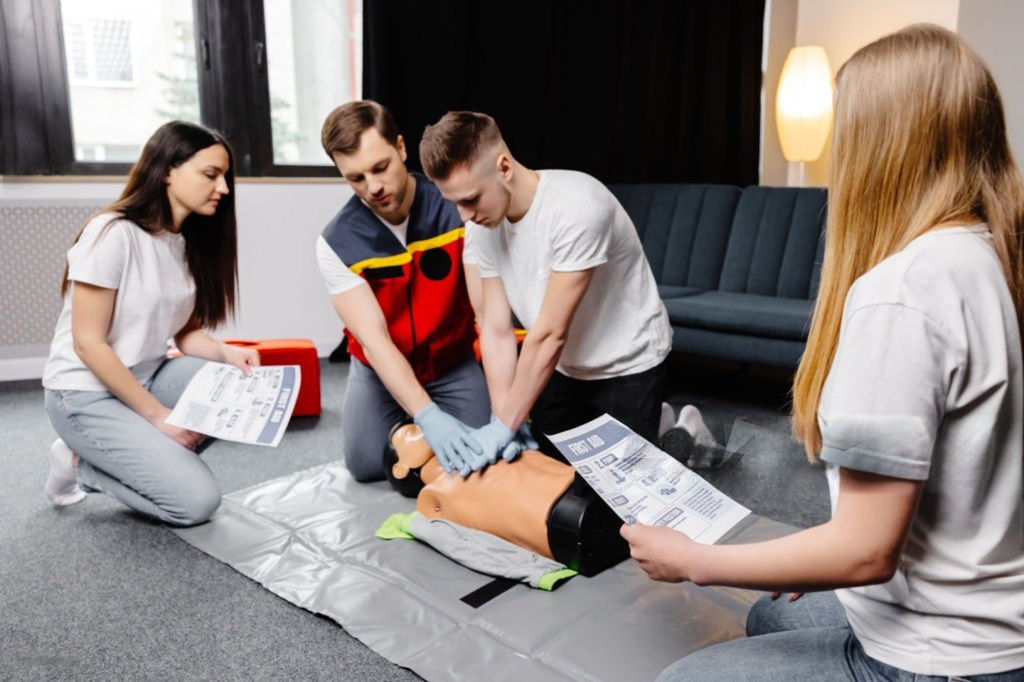
If you’ve started looking into safety training, you’ve probably noticed there isn’t just one single course to choose from. CPR-only training and full first aid training are often advertised side by side, and it’s not always obvious which one applies to your situation. Do you need a quick, focused CPR qualification, or the broader first aid certificate that covers CPR plus everything else?
This guide breaks down exactly what each course covers, who typically needs which one, and what you can expect to pay — so you can enrol with confidence rather than guessing.
The Short Answer First
If you only need to know how to respond to cardiac arrest and breathing emergencies, a CPR course in Adelaide (HLTAID009) is likely all you need. If your role, workplace, or personal situation calls for broader emergency response skills — treating wounds, managing fractures, responding to allergic reactions, and more — then a full first aid and CPR course Adelaide providers offer (HLTAID011) is the better fit.
That’s the simple version. Now let’s break down why.
What Does a CPR-Only Course Actually Cover?
A CPR course is a focused, practical qualification that teaches you exactly one thing extremely well: how to respond when someone’s heart has stopped or they’ve stopped breathing. This includes:
- Recognising the signs of cardiac arrest
- Performing effective chest compressions
- Delivering rescue breaths correctly
- Using an Automated External Defibrillator (AED)
- Responding calmly and confidently under pressure
This course is shorter than a full first aid course, typically completed in just a few hours, and results in a nationally recognised Statement of Attainment for HLTAID009 — Provide Cardiopulmonary Resuscitation.
It’s a fast, focused option for people who specifically need or want this single, critical skill without committing to a full day of broader first aid training.
What Does a Full First Aid Course Cover?
A full first aid course builds on everything covered in CPR training but expands significantly further. Alongside cardiopulmonary resuscitation, it covers a much wider range of emergency scenarios, including:
- Managing bleeding, wounds, and burns
- Responding to fractures, sprains, and soft tissue injuries
- Recognising and managing allergic reactions, including anaphylaxis
- Assisting someone experiencing a seizure
- Managing shock and other medical emergencies
- General emergency action planning, including when to call for help
This is typically a full-day course and results in certification for HLTAID011 — Provide First Aid, which includes the CPR unit within it. In other words, completing this course means you don’t need to do CPR training separately — it’s already built in.
Side-by-Side Comparison
| Factor | CPR Course (HLTAID009) | First Aid Course (HLTAID011) |
|---|---|---|
| Duration | A few hours | Full day |
| Scope | CPR and AED use only | CPR plus broader first aid skills |
| Certificate validity | 12 months | 3 years (CPR component renews annually) |
| Best for | Quick, focused renewal or entry requirement | Comprehensive workplace or personal preparedness |
| Typical cost | Lower, due to shorter duration | Higher, reflecting broader content and time |
Which One Do You Actually Need?
The right choice usually comes down to three things: your workplace requirements, how much time you have, and how broad you want your skill set to be.
Choose CPR-only training if:
- Your workplace specifically requires HLTAID009 rather than full first aid
- You already hold a current first aid certificate but your CPR component has expired (remember, CPR needs annual renewal even though first aid certificates last three years)
- You want a fast, affordable way to gain this specific life-saving skill without committing to a full day of training
- You’re simply looking for peace of mind around cardiac emergencies specifically
Choose a full first aid course if:
- You’re new to safety training and want comprehensive coverage from the start
- Your industry or employer requires HLTAID011 specifically — common in construction, hospitality, childcare, and aged care
- You want to be prepared for a wider range of emergencies, not just cardiac arrest
- You’d rather complete one course that covers everything, rather than needing separate CPR renewals down the track
For many people, especially those entering a new industry or wanting genuine peace of mind, the full first aid course is the more practical long-term option. It covers CPR anyway, so you’re not missing out on that skill — you’re simply gaining a much broader toolkit alongside it.
What Does Each Course Cost in Adelaide?
Pricing for CPR training in Adelaide typically sits lower than full first aid training, reflecting the shorter time commitment and narrower scope. As a general guide:
- CPR-only courses (HLTAID009) generally range from around $80 to $130, depending on the provider and group size.
- Full first aid courses (HLTAID011) generally range from around $140 to $220, reflecting the longer duration and broader curriculum.
These figures can vary depending on whether you’re booking individually or as part of a workplace group, and some providers offer discounted rates for bulk bookings across teams or organisations. It’s always worth confirming current pricing directly with your chosen training provider, as costs can shift based on demand and course inclusions.
Don’t Forget Renewal Requirements
One detail that catches many people off guard is the difference in renewal timeframes. While a full first aid certificate (HLTAID011) is generally valid for three years, the CPR component specifically needs to be renewed every 12 months to ensure your skills stay current with the latest resuscitation guidelines.
This means that even if you complete the full first aid course, you’ll still need a standalone CPR refresher each year to keep that particular skill current — something worth factoring into your planning and budget from the outset.
Why Industry Matters in This Decision
Different industries often have different minimum requirements, so it’s worth checking what your specific role or workplace expects before booking. Construction and traffic management roles, for example, frequently require current CPR or first aid certification as a baseline safety requirement, alongside other mandatory training. Childcare and aged care settings typically require the broader HLTAID011 qualification, given the wider range of situations staff may need to respond to. Hospitality and retail businesses often leave the choice more flexible, though many employers still prefer staff to hold the more comprehensive first aid certificate.
If you’re unsure what your industry or employer specifically requires, it’s worth checking directly with them before enrolling, to avoid paying for — or missing — the wrong qualification.
Final Thoughts
Choosing between a CPR course and a full first aid course doesn’t need to be complicated. If you need a fast, focused qualification covering cardiac emergencies specifically, CPR training is the quicker and more affordable option. If you want broader, more comprehensive preparedness — and many workplaces require exactly this — a full first aid course is the better long-term investment, since it includes CPR training within it.
Whichever path suits your needs, working with an experienced traffic management training provider in Adelaide that also delivers nationally recognised first aid and CPR courses means you can complete multiple compliance requirements through a single, trusted provider — saving you time without compromising on the quality or recognition of your certification.